Basic Preperation Cuts and Shapes

Cutting food into uniform shapes and sizes is important for two reasons. The first is that it ensures even cooking. The second is that it enhances the appearance of the dish.

Here are some other cutting terms/techniques:
Chop: to cut into irregular pieces
Concasser: to chop coarsely
Mince: to chop into very fine pieces
Emincer: to cut into very thin slices
Chiffonade /Shred: to cut into thin strips

Brunoise

1/8 in. 1/8 in. x 1/8 in.
3 mm x 3 mm x 3 mm

Small Dice

1/4 in. x 1/4 in. x 1/4 in.
6 mm x 6 mm x 6 mm

Medium Dice

1/2 in. x 1/2 in. x 1/2 in.
12 mm x 12 mm x 12 mm

Large Dice

3/4 in. x 3/4  in. x 3/4  in.
2 cm x 2 cm x 2 cm

Julienne (allumette potatoes)

1/8 in. 1/8 in. x 2 1/2 in.
3 mm x 3 mm x 6 cm

Batonnet

1/4 in. x 1/4 in. x 2 1/2- 3 in.
6 mm x 6 mm x 6-7.5 cm

French fry (pomme frite)

1/3-1/2 in. square x 3 in.
8-12 mm square x 7.5 cm

Popular Recipes

Check our most popular recipes of this week

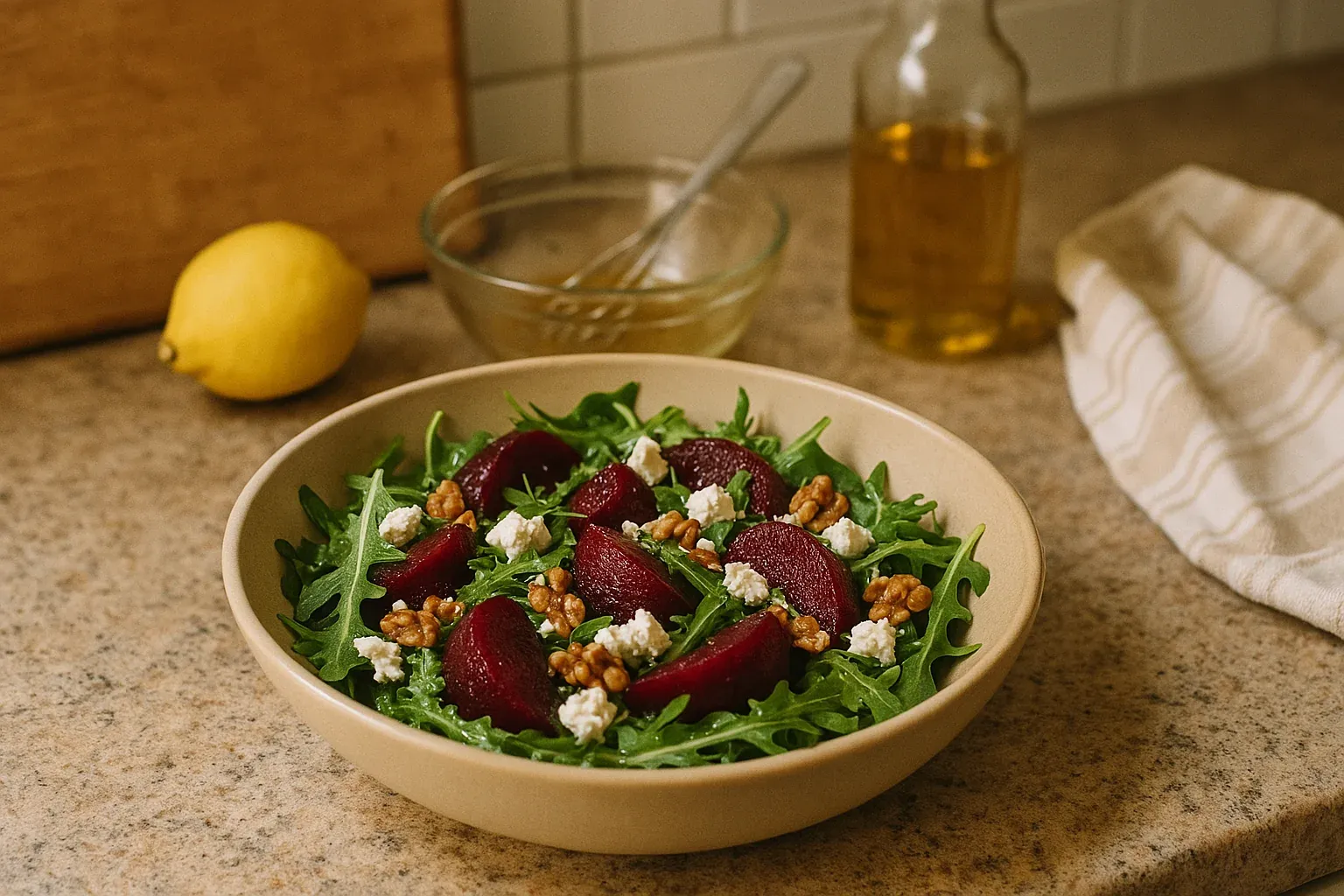
Arugula salad with roasted beets, walnuts, and crumbled cheese, accompanied by a lemon, dressing, and olive oil on a kitchen counter.

Beet and walnut salad

35 min • Easy • 4 to 6 servings

Elegant cocktail with orange slice garnish in a coupe glass on a kitchen countertop, with bottles and a cut orange in the background.

Prince of Wales Cocktail

5 min • Easy • 1 serving

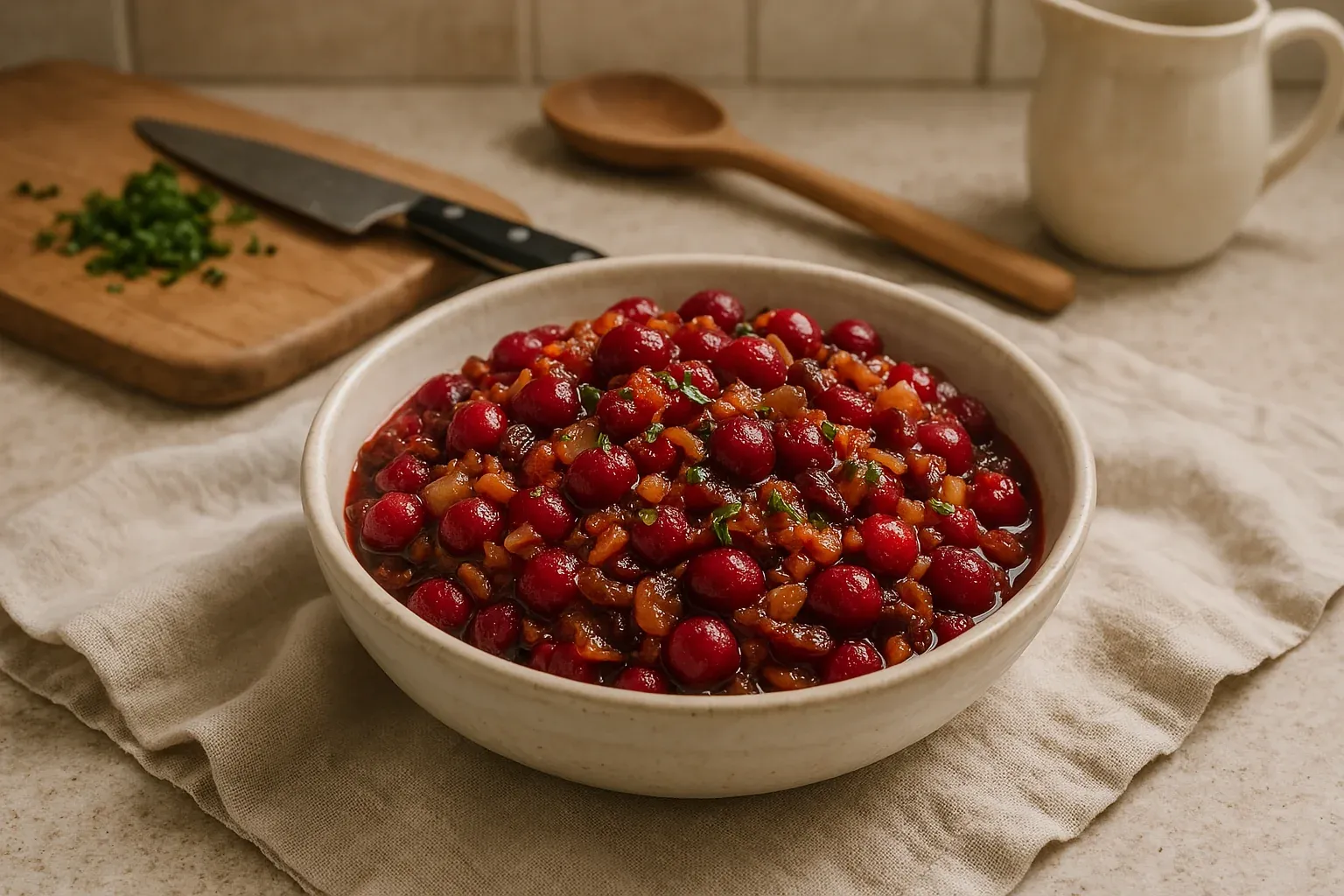
Homemade cranberry relish with chopped vegetables in a white bowl, set on a kitchen counter with a knife, cutting board, and wooden spoon.

Thanksgiving Cranberry Chutney

25 min • Easy • 10 to 12 servings

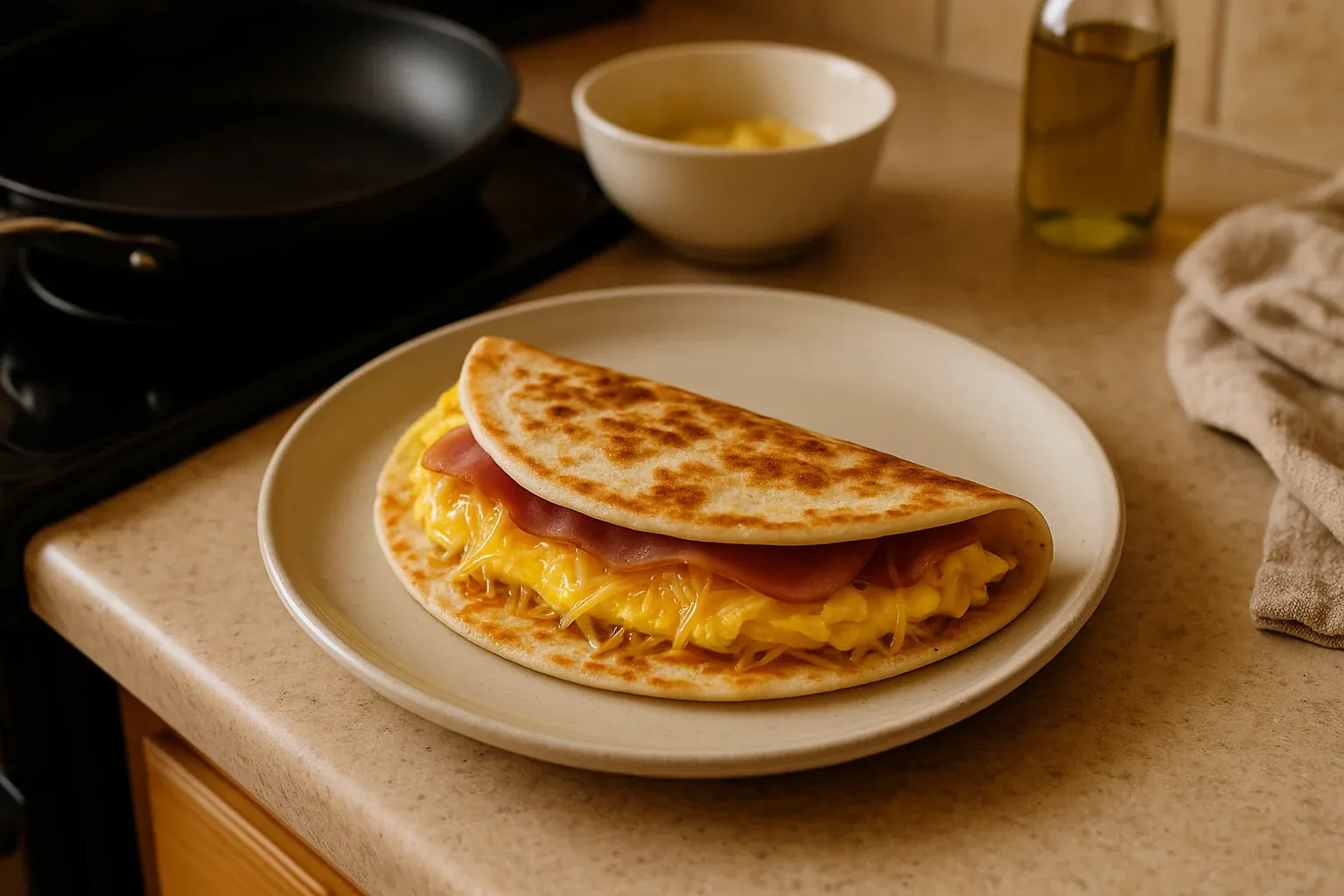
Breakfast quesadilla with melted cheese, scrambled eggs, and ham on a plate, with a skillet and ingredients in the background.

Egg Quesadilla

20 min • Easy • 2 servings

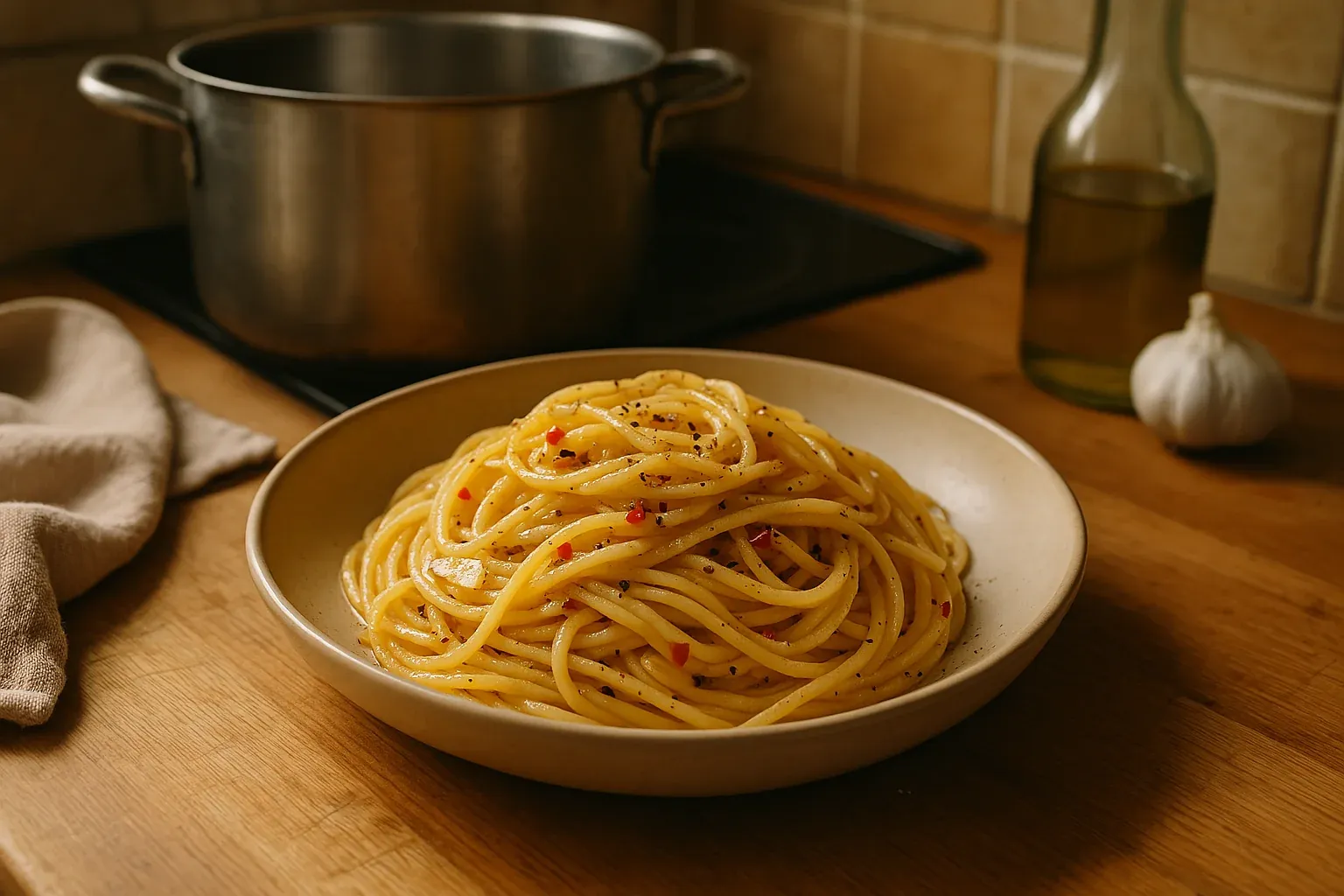
A plate of spaghetti aglio e olio garnished with red pepper flakes, set on a wooden countertop with garlic and olive oil in the background.

Simply spaghetti

20 min • Easy • 2 to 4 servings

Behind the Scenes

Catch Up on What’s Happening in Our Kitchen

Discover Stories