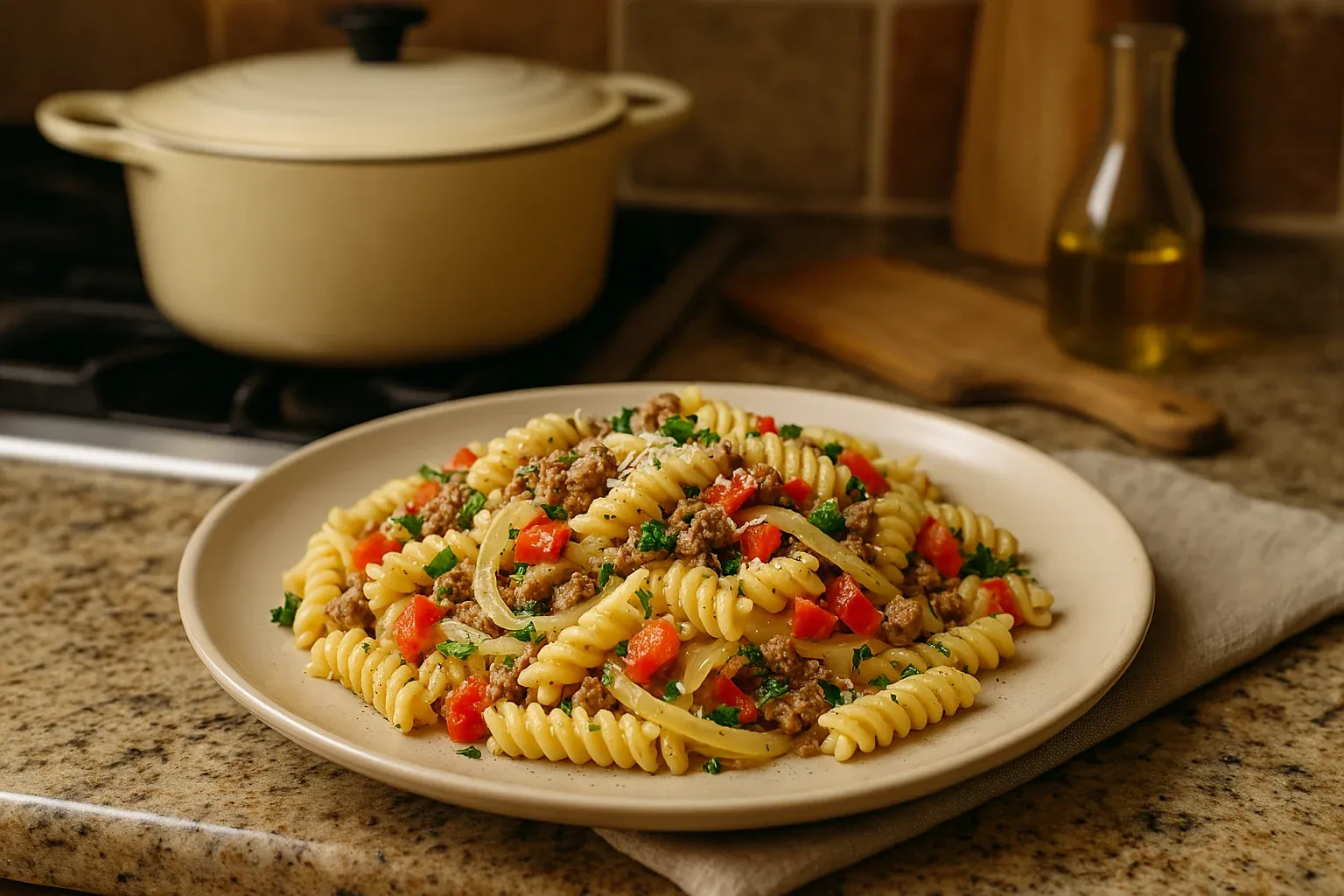
Reactive pans

Reactive pans are made from materials that chemically react with acidic foods. The reaction can cause the foods to absorb a metallic taste and also to discolor. Basically when reactive pans are exposed to foods with high acidic content tiny traces of the metal leach into the food creating an off taste. Examples of reactive pans are:

  • copper, non-lined
  • iron
  • aluminum

If a recipe calls for non-reactive pan simply avoid using any of the above mentioned. Also be sure to avoid using spoons, whisks and any other implements that are made from reactive materials.

For these reasons, if I am making a dish that has tomatoes I will avoid using my beloved iron skillet and will instead use my aluminum bonded stainless-steel pan. Some ingredients that you should avoid using with reactive pans are:

  • artichoke
  • chocolate
  • lemons
  • lemon juice
  • limes
  • oranges
  • rhubarb
  • tomatoes
  • vinegar
  • wine

Popular Recipes

Check our most popular recipes of this week

A hearty bowl of gumbo with sausage, shredded chicken, and white rice, served with a fresh loaf of bread on a wooden kitchen counter.

Authentic Chicken Gumbo

65 min • Moderate • 8 to 10 servings

Chocolate lava cake topped with vanilla ice cream in a white ramekin on a beige cloth.

Gooey Chocolate Puddings

35 min • Easy • 4 servings

Berry mousse dessert in a bowl topped with blackberries, with more mousse in a tin and fresh blackberries in a glass jug nearby.

Blackcurrant semi freddo ice cream

10 min • Easy • 4 to 6 servings

Golden cornbread with a slice missing, baked in a cast iron skillet on a granite countertop, with kitchen utensils in the background.

Across the big creek corn bread

50 min • Easy • 8 to 10 servings

Chicken and mango salad with creamy dressing served on a bed of lettuce leaves.

Tropical Curried Chicken Salad

35 min • Easy • 4 servings

Made with Love

Discover the Stories Behind the Meals

Discover Stories